Bangkok: Join locals in Lumpini Park for a morning Tai Chi lesson and see how many Bangkok residents begin their day. Learn the basics of the practice in one of the city’s best-known green spaces before continuing your discoveries of the Thai capital.
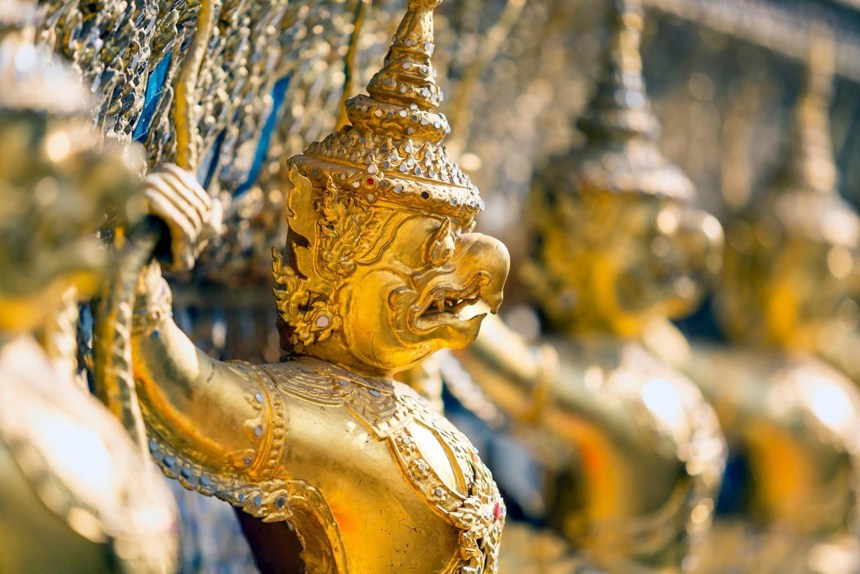
Bangkok: Visit the Grand Palace, built for the kings of Siam and still one of Thailand’s most important ceremonial landmarks. As you explore the complex, see the scale, detail and craftsmanship that reflect the power and tradition of the Thai monarchy.
Bangkok: Visit Wat Pho, home to the Reclining Buddha and one of Bangkok’s most important temple complexes. Beyond its religious significance, it is also known as an early centre of traditional Thai medicine and learning, giving you a broader view of Thai culture and knowledge.
Chiang Mai: Visit San Kamphaeng District, long known for its connection to northern Thailand’s handicrafts. As you spend time here, you’ll find locally made souvenirs and traditional crafts that reflect the materials, techniques and skills still associated with the region.
Chiang Mai: Visit Wat Phra That Lampang Luang, one of northern Thailand’s most important temples. As you explore, you’ll see the wooden buildings, layered roofs and sacred structures that reflect the design and traditions of the Lanna Kingdom.
Damnoen Saduak Floating Market: Visit one of Thailand’s best-known canal markets, where traders sell fruit, vegetables and local goods from wooden boats. As you move through the busy waterways, see a long-established way of trading that still shapes daily life in this part of the country.
Kanchanaburi: Bask in the views of the Kwai River as you make your way across wooden viaducts on your scenic train ride.
Kanchanaburi: Discover the "Death Railway" when you visit Hellfire Pass and learn about the horrible conditions of which the prisoners of WWII had to endure when building this landmark.
Phra Nakhon Si Ayutthaya: Board a traditional rice barge for dinner and see Ayutthaya from the water. As you cruise past heritage landmarks, you’ll enjoy Thai dishes that reflect the country’s signature balance of sour, salty, sweet and spicy flavours.
Phra Nakhon Si Ayutthaya: Explore Ayutthaya, the former capital of Siam and a UNESCO World Heritage Site, through temple ruins that reflect the scale of the ancient city. Visit Wat Sri Sanphet, Wat Yai Chaimongkhol and Wat Mahathat, where the iconic Buddha head entwined in tree roots remains one of its best-known sights.
Stop at a coconut palm sugar plantation and see how sap is collected from the trees before being cooked down into sugar. Learn more about a process that has long supported local livelihoods and discover how this everyday ingredient is used in Thai cooking.
Sukhothai: Explore Sukhothai Historical Park by bicycle or tram, passing temple ruins, Buddha images, moats and city walls within the former capital of Siam. Part of a UNESCO World Heritage Site, the park covers the remains of the old city, with monuments and structures spread across its grounds.
Sukhothai: Join a Local Specialist after dark to look for fireflies in the hotel’s garden at Treasure Farm. During the summer months, sightings can be at their best, although viewing remains dependent on weather and natural conditions.
Sukhothai: Visit Baan Suan Suda, where you’ll stroll through the garden with your host and see the herbs, fruit and vegetables used in Thai cooking. Then roll up your sleeves for a hands-on cooking experience before sitting down to enjoy the dishes you’ve prepared together.
Sukhothai: Wake up early to experience the traditional alms offering ceremony,a cherished part of Thai daily life. At dawn, monks walk peacefully across the bridge, creating a calm and picturesque scene that reflects the spiritual heart of Sukhothai.
Wat Phrathat Doi Suthep: Visit Wat Doi Suthep, which is one of Thailand's most sacred temples and listen closely for the chanting of the monks.
Wat Suan Dok: Meet a monk at Wat Suan Dok Temple and learn more about Buddhist traditions in Thailand. As you explore the temple grounds, you’ll also see the white chedis that hold the ashes of Chiang Mai’s former royal family.